[ Branding ]
How to choose a brand name you can actually own
Choose a name you can own, not only one you like. Conflicts are judged on sound, look, meaning and the related goods, not on exact spelling, and each market has its own rules. Generate sound-alike variants, search them in the right classes, test with people, and score the shortlist.
By LAIN10 min read
Most naming advice ends with "check the trademark and the domain". The checking is where names are lost, and it is usually done wrongly: someone types the exact word into a search box, sees nothing, and carries on. A conflict is not decided by exact spelling. This guide shows how conflicts are judged, how three jurisdictions differ, and how to test a shortlist so the decision rests on evidence. It is general information, not legal advice.
Why "is it available?" is the wrong question
In the United States, registration can be refused when a mark so resembles one already registered, or one used earlier and not abandoned, that it is likely to cause confusion about the applicant's goods (15 U.S.C. 1052(d)). Examining attorneys compare the marks' appearance, sound, meaning and commercial impression, and filings in the Office's own case files state that similarity in any one of these can be enough. Two things follow. A sound-alike can block you. And the question is always asked about goods: the same word can sit with different owners because the goods are unrelated.
Goods are sorted into the Nice Classification, 45 classes of which 34 are goods and 11 services. The classes are a search tool, not a wall. Apple Corps and Apple Computer coexisted under agreements that split their fields (a 1981 agreement, widened in 1991). They went back to court when Apple Computer moved into music, and in 2006 the High Court found its iTunes store within its agreed field of use. The two settled in 2007. The lesson for a founder: clear the classes you are in now and the ones you plan to enter within a few years.
Pick the kind of name by the risk you carry
The US courts' scale comes from *Abercrombie & Fitch v. Hunting World* (2nd Circuit, 1976): fanciful, arbitrary, suggestive, descriptive, generic. Fanciful and arbitrary names are registrable at once. Descriptive ones need proof that the public knows them as a brand, and the Office may accept five years of substantially exclusive and continuous use as prima facie evidence (1052(f)). Generic names get nothing.
| If your situation is | Lean towards | Because |
|---|---|---|
| One city, one service, no plans to expand | A descriptive name with a place or a person | Fastest to understand, and low conflict risk where you are |
| Selling across borders or planning to | Arbitrary, suggestive or invented | Easier to register and to enforce in several markets |
| A digital product, many look-alike competitors | Short and invented | A real word's search results belong to its other meanings |
| Services likely to widen | Not named after today's service | A narrow name boxes you in and invites a conflict later |
Names can also die of success. In *Elliott v. Google* (9th Circuit, 16 May 2017) the court held that GOOGLE had not become generic even though people use it as a verb. The test is whether the public primarily understands the mark as naming the producer or the category, for a particular kind of goods. The practical habit is to keep a generic noun beside your name ("Nova app", not "a Nova") so it never becomes the word for the product.
Search by sound, in the right classes
A knockout search is a fast first pass to eliminate names. Do it in this order:
- Choose the classes. For a software or design business, classes 9 (software), 35 (advertising and business) and 42 (computer and scientific services) are typical starting points. Check the headings on the Nice pages for yours.
- Generate the sound-alikes. Apply the rules below to each name.
- Search each variant in the free WIPO Global Brand Database (international filings plus many national collections, with image search since 2014), in the national office of each market, and on the web and app stores. Unregistered use counts in the United States, which is why a plain web search matters.
- Record owner, class, status, date and why it is or is not close. A shortlist without notes will be argued again in week three.
| Rule | Example on "nova" | Why it matters |
|---|---|---|
| Swap letters that sound alike (c and k, s and z, f and ph, v and w) | nowa, nofa | Offices compare by sound |
| Double or drop a letter | novva, nova to nov | A misspelling is not a distinction |
| Change the ending vowel | novah | Same sound, new spelling |
| Swap neighbours | onva, nvoa | Typos are also search terms |
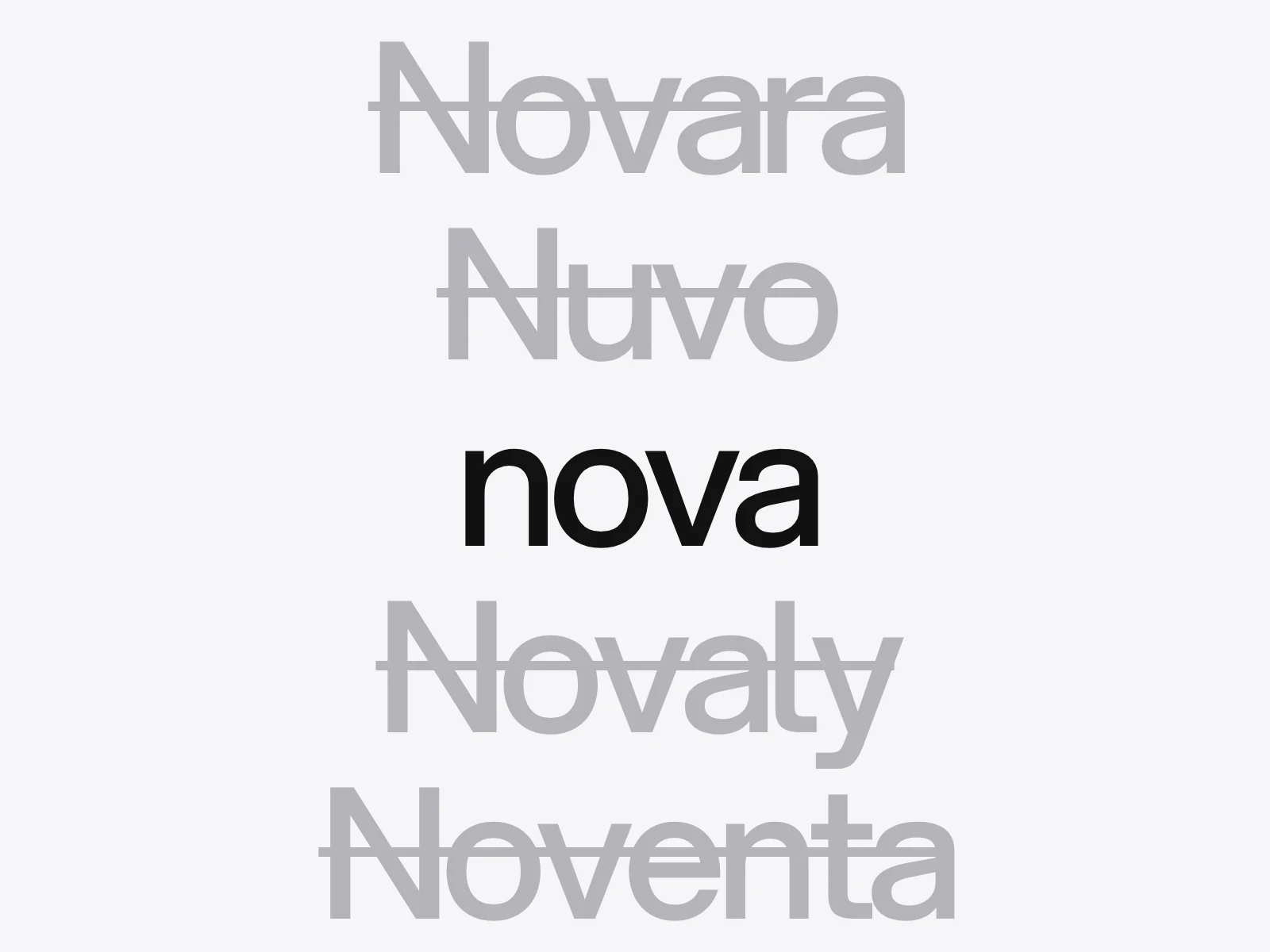
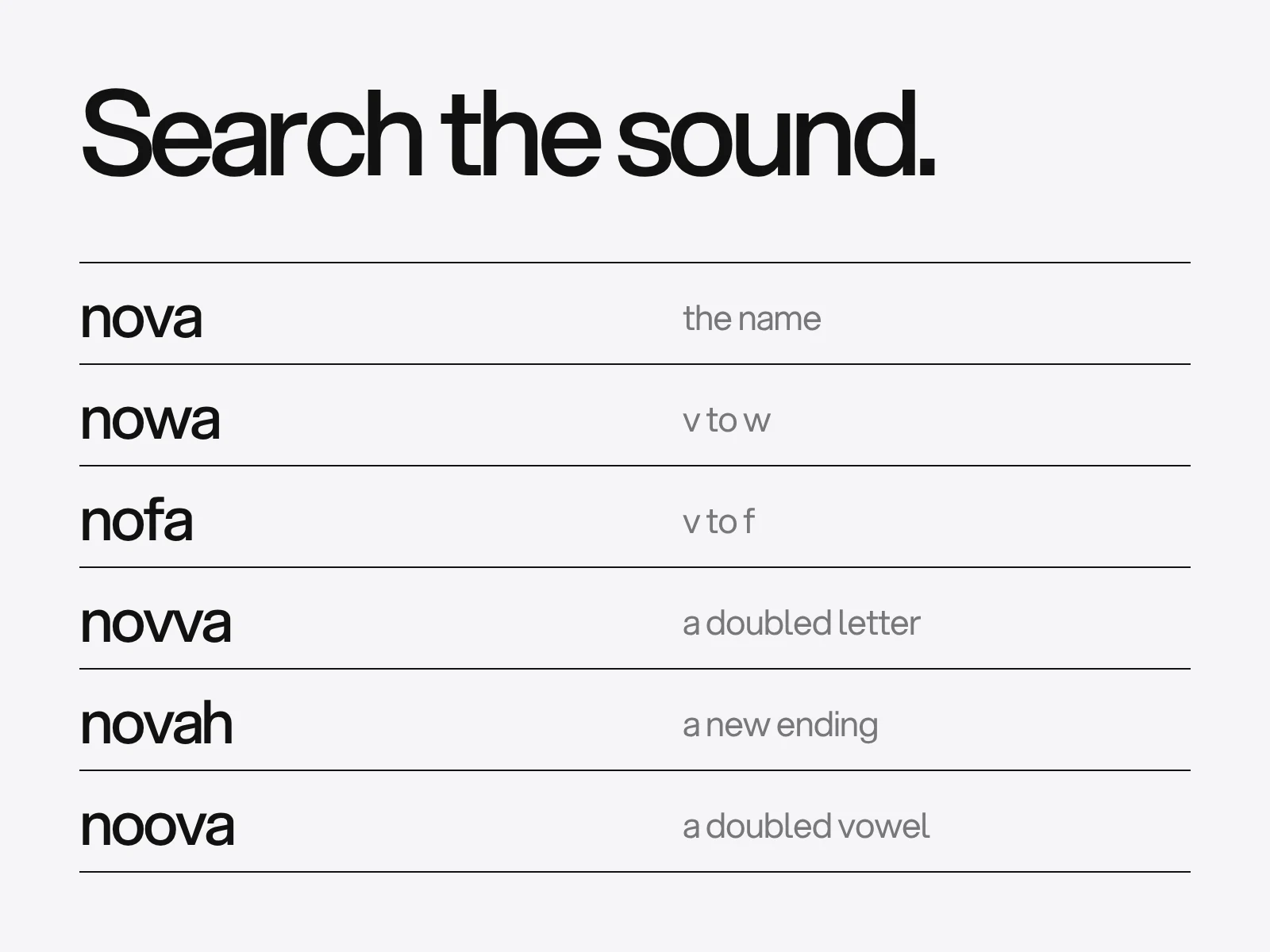
Rules like these give 15 to 23 variants for a four to six letter name. Search them all. The list on the picture below is our output for a made-up word, not a clearance.
The rules differ by market, and that changes the order of work
| Market | Who gets the right | What trips you | Do first |
|---|---|---|---|
| United States | Use creates rights, registration adds presumptions | Earlier unregistered users, descriptive names | Search common-law use as well as the register |
| European Union | One filing covers the Union | A refusal reason that applies in only part of the Union | Check meaning in each language you sell in |
| Indonesia | The first to file | Someone registering your name before you arrive | File before you launch |
| International (Madrid) | A filing at home extends to chosen countries | The home filing falling away | Treat the first five years as fragile |
Details, with the sources we could read:
- EU. The General Court has restated that it is enough for an absolute ground to apply in part of the Union for refusal (Article 7(2) of Regulation 2017/1001). In the TOTALLY HANDS FREE case the EUIPO Board treated the English-speaking public as including states such as Denmark, Cyprus, the Netherlands, Finland and Sweden. The applicant disputed that and the court did not decide it.
- Indonesia. The system is first to file under Law No. 20 of 2016. Secondary sources say a bad-faith application is refused (Article 21) and a bad-faith registration can be invalidated in the Commercial Court without a deadline (Article 77). To oppose an application you normally need an earlier Indonesian application or registration, so a foreign owner without a filing has a weak position. Protection lasts ten years. A registered mark could be cancelled by a third party after three years of non-use. A Constitutional Court decision, number 144/PUU-XXI/2023, read that as five years, reported at the end of July 2024. Older sources say three. We could read only summaries of the ruling, so confirm the period with a local agent.
- Madrid. An international registration depends on the home application for five years. If that falls, all designations fall, though a WIPO working paper says third-party attacks on the home mark are rarely used in practice, and the owner can convert to national filings within three months.
Sound and fluency: useful as a tie-break
Pronounceability has measurable effects. Alter and Oppenheimer (PNAS, June 2006) found that stocks with easy-to-pronounce names and tickers did better right after listing, and that the effect faded within months as other information arrived. Do not trade distinctiveness for fluency. Sound also carries size. Klink (2000) found that names with front vowels read as smaller and quicker, back vowels as larger and slower; Yorkston and Menon (2004) showed that a made-up ice cream "Frosh" was rated creamier than "Frish". Lowrey and Shrum (2007) found front vowels preferred for sports convertibles and back vowels for SUVs. We saw these only through summaries and the studies are laboratory ones, so use them to choose between two otherwise equal names.
Meaning in other languages deserves a native speaker, and a sense of proportion. The famous claim that the Chevrolet Nova failed in Spanish-speaking countries because "no va" means "doesn't go" is a legend: Snopes notes that the Nova was sold under that name in Mexico and Venezuela between 1972 and 1978, and a linguist's post found no evidence it hurt sales. Real conflicts are legal and phonetic far more often than semantic.
Test with people, and know what a small test can show
Say the name once to each person, ask what it sells, and ask them to write it down the next day. Then type each spelling into a search box and watch the suggestions. The sample size sets what you can conclude:
| People tested | Misspelled | Plausible true rate (95 per cent) |
|---|---|---|
| 10 | 0 | up to 26 per cent |
| 20 | 0 | up to 14 per cent |
| 30 | 0 | up to 9.5 per cent |
| 10 | 3 | 11 to 60 per cent |
| 20 | 6 | 14.5 to 52 per cent |
We computed these in Python: the one-sided bound for zero failures is 1 minus 0.05 to the power 1/n, and the interval for failures is a Wilson interval. Ten people only find gross problems. The rule we use is a decision rule, not a statistic: drop any name that three of ten people misspell, then confirm the favourite with twenty.
Score the shortlist
Gates first, scores second. A name that fails a gate is out whatever it scores.
Gates, pass or fail
- No identical or sound-alike mark in your classes in your markets (knockout search).
- No problem meaning in your main languages, checked by a native speaker.
- A domain and the main handles you need are possible without hyphens or numbers.
Scores, 0 to 2 each (our rubric, not a validated scale)
| Criterion | 0 | 1 | 2 |
|---|---|---|---|
| Say it | Needs repeating | Mostly understood | Understood once |
| Spell it | Three or more of ten fail | Two fail | One or none fails |
| Remember it | Not recalled next day | Partly | Recalled by most |
| Stretch | Describes today's service only | Fits one adjacent class | Fits the classes you plan |
| Letterforms | Awkward letter shapes | Neutral | Draws well |
| Search | Crowded results | Mixed | Clear first page |
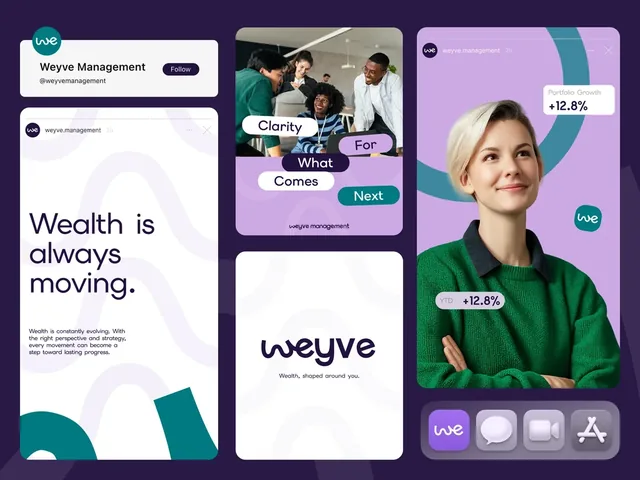
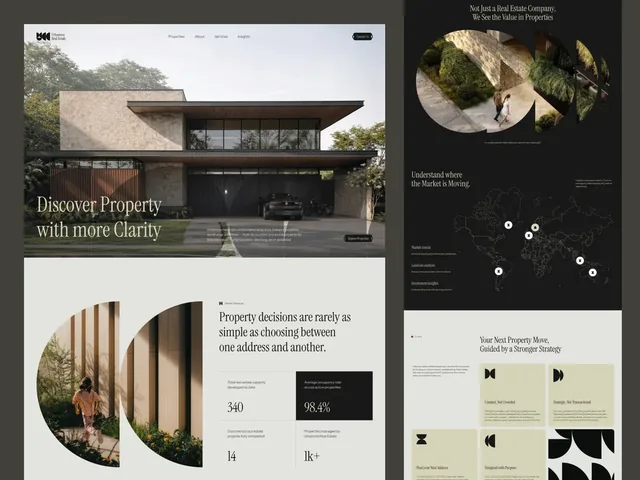
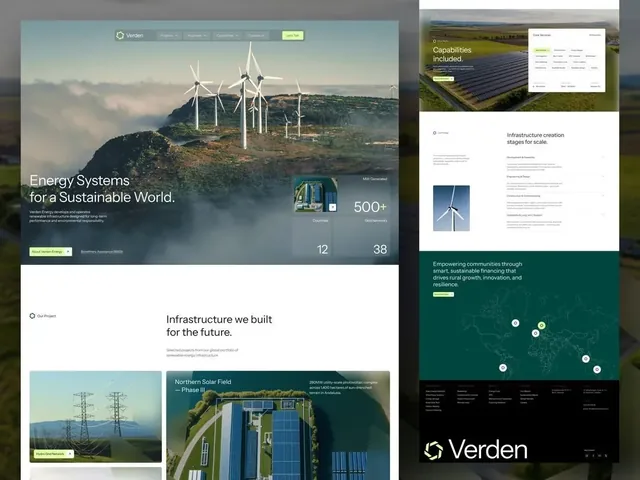
Pick a pass line before scoring, for example 9 of 12. The Letterforms line is real: Weyve's page describes the first letters of the name as one continuous line written with a pen of a single weight, and that line returns much larger behind everything the brand makes. A name is also a drawing. See Urbanova and Verden for names set as wordmarks beside their marks.
Where it goes wrong
| Failure | Cause | How to detect | Fix |
|---|---|---|---|
| A conflict appears after launch | Only the exact word was searched | Re-run the variants | Search by sound and in the classes |
| Safe at home, blocked abroad | One country checked | List your sales markets | Search each, file where first-to-file applies |
| A weak name cannot be enforced | Chosen as descriptive "to be safe" | Place it on the spectrum | Choose suggestive or arbitrary |
| A dispute when you expand | Fields were split by class | List your next three years | Clear those classes now |
| The name was chosen, then liked | Attachment came first | Did the gates run before the vote? | Run gates on the long list |
Once the name is cleared, the strategy page (brand strategy for small business) and the difference between a logo and an identity decide what it has to carry. If you are choosing between names or weighing a rename, see when to rebrand, or talk to us.
Frequently asked questions
How do I check whether a brand name is already trademarked?
Search by sound as well as spelling, in the Nice classes for your goods and in every market you sell in. The WIPO Global Brand Database is free and covers international filings plus many national collections. Also search the web and app stores, because unregistered use counts in the United States. Ask a trademark attorney to review the final names.
Can two businesses have the same brand name?
Yes, when their goods are unrelated or an agreement splits their fields. Apple Corps and Apple Computer coexisted for years under such agreements, and went to court when the fields met over music. Do not rely on a split that your own plans may close.
Is a descriptive brand name a mistake?
Not always. It is clear and cheap for a local service. It is hard to register, because a mark that merely describes goods is refused unless it has become distinctive, and the US Office may take five years of exclusive and continuous use as evidence. It is a poor fit for a business that plans to sell abroad.
How many people should I test a name with?
Ten finds only gross problems: if none of ten misspell a name, the true rate could still be up to 26 per cent. Twenty brings that to 14 per cent and thirty to 9.5 per cent. Use ten to drop weak names and twenty or thirty to confirm the favourite.
How long can a registered trademark go unused in Indonesia?
Law No. 20 of 2016 allowed a third party to seek cancellation after three years of non-use, and a Constitutional Court decision (144/PUU-XXI/2023), reported in July 2024, read that as five years. We saw only summaries of the ruling, so confirm the current period with an Indonesian trademark agent.
Should I avoid a name that means something in another language?
Ask a native speaker, but keep proportion. The story that the Chevrolet Nova failed in Spanish because of "no va" is a legend: the car was sold under that name in Mexico and Venezuela from 1972 to 1978. A slang meaning or a sound-alike trademark is a bigger risk than a literal translation.
Sources and fact check
Facts in this article that come from outside LAIN were checked on 28 Oct 2026 against:
- Cornell LII: 15 U.S. Code 1052, trademarks registrable on the principal register
- Wikipedia: Abercrombie & Fitch Co. v. Hunting World, Inc.
- Proskauer: Google escapes genericide claim in Ninth Circuit decision
- The National Archives: Apple Corps Ltd v Apple Computer Inc [2006] EWHC 996 (Ch)
- WIPO: Nice Classification, frequently asked questions
- WIPO: Launch of image-based search in the Global Brand Database
- WIPO Lex: Law No. 20 of 2016 on Trademarks and Geographical Indications, Indonesia
- Smartlegal.id: Constitutional Court decision 144/PUU-XXI/2023 on non-use marks
- WIPO working group paper MM/LD/WG/23/13 on the dependency of international registrations
- Princeton University: Stock performance tied to ease of pronouncing company name
- Yorkston and Menon: A sound idea, phonetic effects of brand names on consumer judgments
- Snopes: The Chevrolet Nova name myth
Timelines, services and process described here are LAIN's own, as set out on our About and FAQ pages.
[ Keep reading ]